Sheffield City of Culture 2029: A Global Opportunity for Brands
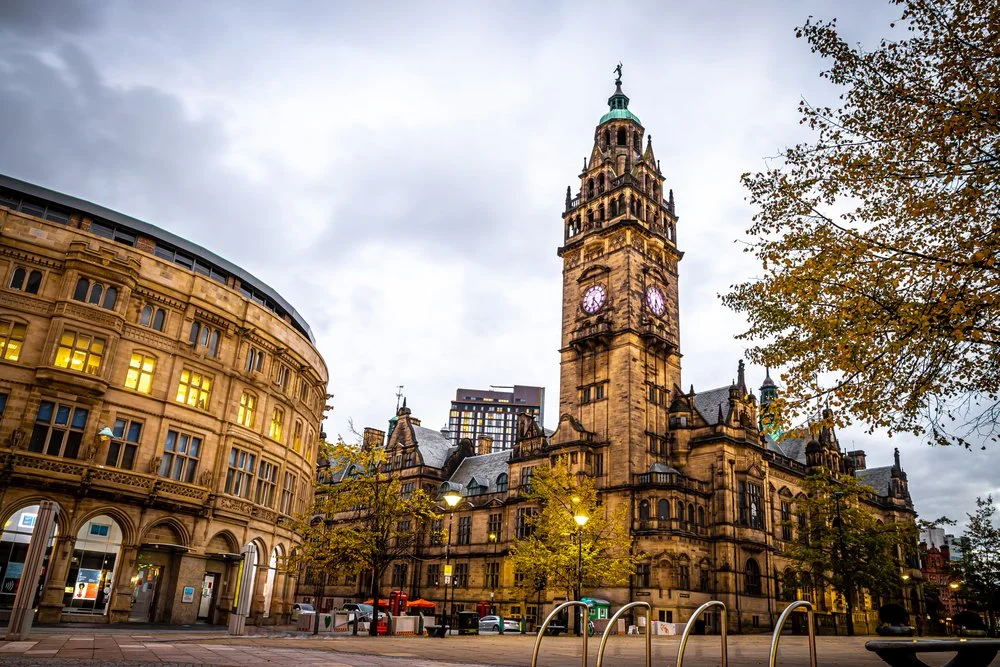
Sheffield is making noise on the national stage, and if you’re running a business in the city or anywhere nearby, this is something you’ll want to pay attention to. The city has been longlisted for UK City of Culture 2029, and the implications stretch far beyond galleries and concert halls. This is about international visibility, new revenue streams, and the kind of exposure that puts Sheffield-based brands in front of audiences they’ve never reached before.
But here’s the thing, none of that works if you can’t communicate clearly with the people showing up. And a lot of those people won’t speak English as their first language. That’s where translation, localisation, and multilingual communication come in.
Sheffield’s City of Culture 2029 Bid – What’s Happening?
In early 2025, Sheffield was named on the longlist for UK City of Culture 2029. It’s up against some strong competition, including Blackpool and Wrexham, both of which have their own compelling stories to tell. But Sheffield has a combination of strengths that’s hard to ignore.
For a start, the city’s industrial heritage runs deep. Sheffield was the steel capital of the world, and that legacy is woven into everything from the architecture to the local identity. Then there’s the creative industries side of things. Sheffield has long punched above its weight when it comes to music, film, theatre, and digital media. Think about the bands that came out of this city, Arctic Monkeys, Def Leppard, Pulp, the list goes on. And culturally, Sheffield is one of the most diverse cities in England, with communities from all over the world calling it home.
The next step in the process is a full bid submission, and if Sheffield progresses, there’ll be significant development funding attached. We’re talking about investment in infrastructure, tourism, arts, and public spaces. For the city and the businesses in it, this could be a genuine turning point.
Why This Matters for Businesses in Sheffield and Beyond
Let’s say you run a restaurant in Kelham Island, or maybe you manufacture specialist components in Attercliffe. You might be thinking, “City of Culture? That’s nice, but what’s it got to do with me?” Quite a lot, actually.
When Coventry held the title in 2021, the city saw a 20% increase in visitor numbers. Hull, back in 2017, attracted 5.3 million visits to over 2,800 events, cultural installations, and exhibitions. That’s not just footfall for galleries. That’s people eating in restaurants, staying in hotels, shopping in local stores, and discovering brands they’d never heard of before.
For Sheffield, a successful bid would mean increased international attention. Media coverage, tourism campaigns, partnerships with international arts organisations, it all drives awareness. And awareness drives business. The hospitality sector stands to gain in obvious ways, but so does retail, manufacturing, and the creative industries. If you make something in Sheffield, suddenly there’s a much bigger audience watching.
This is not just cultural, it’s a business growth opportunity. And the businesses that prepare for it now are the ones that’ll benefit most when 2029 comes around.
The Role of Translation in a Global Cultural Event
Here’s where it gets practical. Imagine a family arriving from Berlin for a week-long programme of events. They’re excited, they’ve booked their accommodation, and they’re ready to explore. But the event programme is only in English. The wayfinding signage? English. The ticketing platform? English. The safety information at the outdoor stage? English.
That family’s experience just got a lot harder. And they’re less likely to come back or recommend the city to friends. Now multiply that across thousands of international visitors and you start to see the problem.
Multilingual communication is not a nice-to-have for a global cultural event, it’s essential. Websites need to be accessible in multiple languages. Event materials, from programmes to maps to interactive guides, should be translated into the languages your visitors actually speak. Signage across the city needs to be clear and inclusive. Ticketing platforms have to work for people who don’t read English. And safety and accessibility information, well, that’s not just good practice, it’s a legal and ethical responsibility.
Translation enables accessibility, inclusion, and engagement. Without it, you’re essentially building a global event that only works for part of the audience.
Multilingual Communication for Events & Tourism
Think about the last time you visited a museum in a country where you didn’t speak the language. If they had audio guides in your language, or even well-translated exhibit descriptions, the experience was probably much richer. If they didn’t, you likely walked past half the displays without really understanding what you were looking at.
That’s the difference good multilingual communication makes. Event programmes and brochures that come in French, German, Mandarin, Arabic, or Spanish (to name a few) make visitors feel welcome. Museum and exhibition content that’s been properly localised, not just translated word-for-word but adapted to make cultural sense, creates a deeper connection.
Audio guides and digital experiences can be produced in dozens of languages relatively efficiently with the right translation partner. Social media campaigns targeting international audiences should absolutely be in local languages. A post in Spanish to a Spanish-speaking audience will always outperform one in English. And for live events, conferences, and performances, interpreting services ensure that no one is left out of the conversation.
If Sheffield wants to deliver a truly world-class City of Culture programme, the visitor experience has to work in multiple languages. Full stop.
Supporting Sheffield Brands Going Global
Now let’s talk about the businesses themselves. Say you’re a Sheffield-based food and drink brand, maybe a craft brewery or an artisan bakery. City of Culture 2029 is going to put a spotlight on the city, and suddenly you’ve got international buyers at trade events, tourists discovering your products, and journalists writing about what makes Sheffield special.
That’s incredible exposure. But if your website is only in English, your product labels don’t meet EU or international labelling requirements, and your marketing materials haven’t been translated, you’re leaving opportunities on the table.
The same goes for manufacturers looking to export, retailers wanting to attract international customers, and creative agencies pitching for overseas contracts. The demand is there, the attention is coming, but you need to be ready to communicate in your customers’ languages.
That means getting your website translated and localised (not just run through Google Translate, properly localised so it reads naturally in the target language). It means having product information available in the languages of your target markets. And it means producing marketing content that resonates with people from different cultures and backgrounds.
From Sheffield to the World: How Talking Heads Supports Global Communication
At Talking Heads, we’ve been helping businesses communicate across languages since 1999. We’re based right here in the UK, and we work with a pool of over 11,000 linguists covering virtually every language pair you can think of.
Our core services include translation, localisation, multilingual SEO, and interpretation. What that means in practice is that we can take your website and make it work for a German audience, or a Japanese one. We can localise your event brochures so they don’t just translate the words but capture the right tone and cultural context. We can help you rank in search engines in other languages through multilingual SEO, so that when someone in France searches for what you offer, they actually find you. And if you’re hosting an event with international speakers or delegates, our interpreting services make sure everyone can follow along.
As a family-run business, we take a personal approach. You won’t get lost in a queue of tickets. You’ll work with people who genuinely care about getting it right, because our reputation depends on it. And with over two decades of experience across sectors like food and drink, manufacturing, retail, and the creative industries, we know what good multilingual communication looks like in the real world.
Preparing for 2029: What Businesses Should Do Now
2029 might sound like it’s a long way off, but if you want to make the most of Sheffield’s City of Culture moment, the time to start preparing is now. Here’s what we’d recommend.
First, audit your website for multilingual readiness. Can it support multiple languages? Is the content structured in a way that makes translation efficient? If not, it’s better to address that now rather than scrambling later.
Second, identify your target markets and languages. You don’t need to translate into 50 languages. Figure out where your biggest international opportunities are, maybe it’s Germany for your manufacturing clients, or China for your luxury goods, and focus there.
Third, invest in translation and localisation. This isn’t an expense, it’s an investment. The businesses that communicate well in their customers’ languages consistently outperform those that don’t.
Fourth, prepare for events and exhibitions. If you’re going to have a presence at City of Culture events, trade shows, or exhibitions, your materials need to work for an international audience. That includes brochures, signage, product displays, and digital content.
And finally, ensure compliance. If you’re in food and drink, your labelling needs to meet the regulations of whichever markets you’re targeting. If you’re in manufacturing, your safety documentation needs to be accurate in every language. This isn’t optional, and getting it wrong can be costly.
A Cultural Moment with Global Impact
Sheffield is stepping onto a global stage, and it’s the kind of opportunity that doesn’t come around very often. Whether the city ultimately wins the UK City of Culture 2029 title or not, the attention and investment that come with even being in the running can transform local businesses and open doors to international markets.
But opportunity without preparation is just a missed chance. If you want to connect with international audiences, whether they’re tourists visiting Sheffield, buyers at a trade event, or customers discovering your brand online, you need to communicate in their language.
Clear, professional, multilingual communication is the key to making that connection. It’s what turns a visitor into a customer, a one-off sale into a lasting relationship, and a local brand into a global one.
If you’re ready to start preparing, Talking Heads is here to help. From translation and localisation to multilingual SEO and interpretation, we’ve got the experience and the team to support your growth. Get in touch and let’s talk about how we can help you make the most of this moment.