
Do Referees at the World Cup Speak the Same Language?
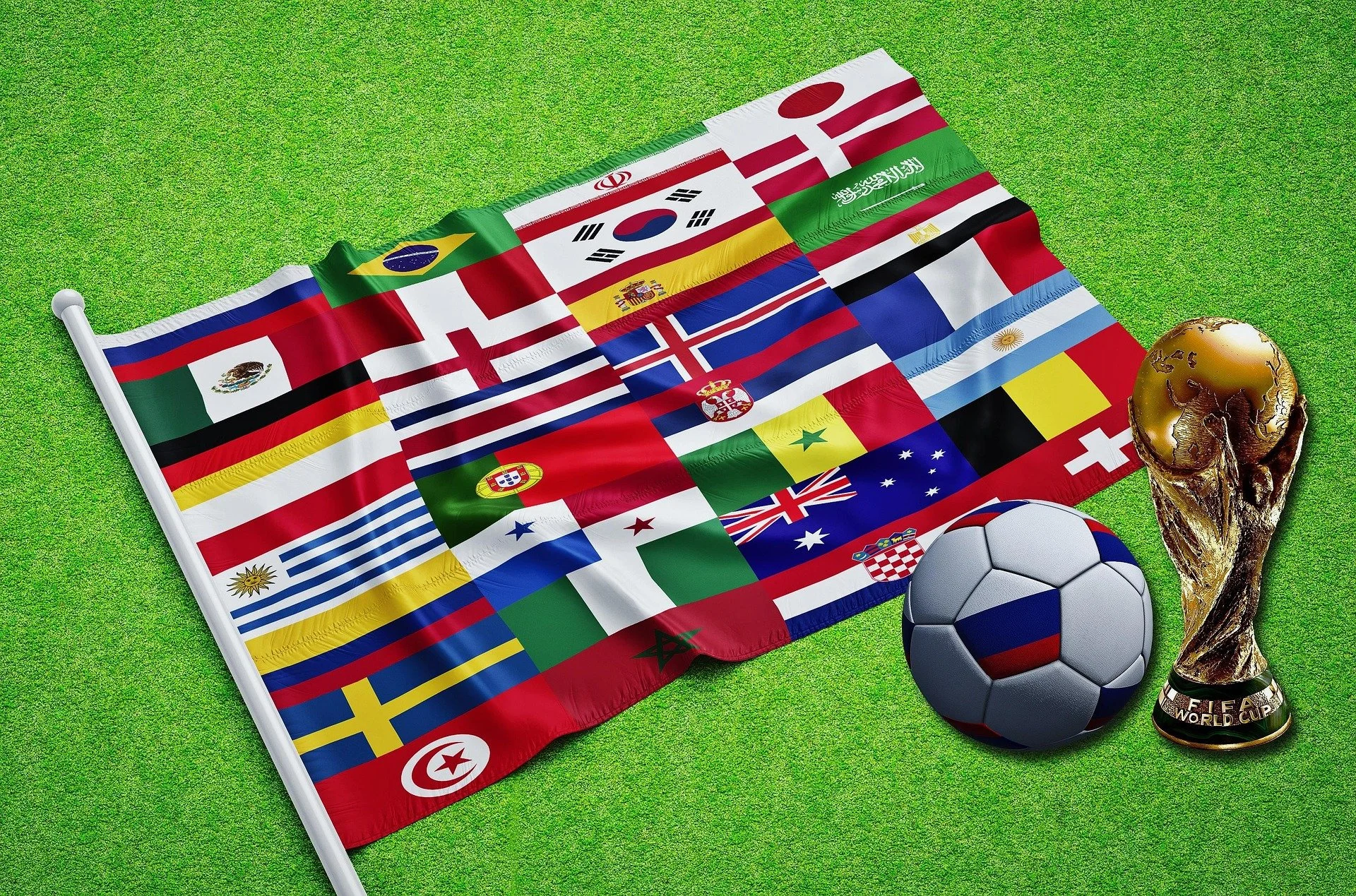
Have you ever wondered how referees communicate with players from dozens of different countries?
A World Cup fixture could feature players speaking Spanish, Portuguese, Arabic, Japanese, French and English all on the same pitch.
So, do World Cup referees speak the same language as the teams they officiate? The short answer is: not always.
English is the common language
FIFA requires international referees to be able to communicate in English, which acts as the primary language for on-field communication.
According to recent reporting by AS USA, FIFA designates English as the official language for international matches, and referees working at the World Cup must be able to communicate confidently in English. Match reports and official documentation are also produced in English.
This means that even when neither team has English as a native language, players and referees often communicate using English as a common language.
Did you know that football has its own universal language
Of course, referees don't rely on spoken language alone.
Football has developed a universal system of communication that is recognised around the world.
· Whistles
· Hand signals
· Yellow cards
· Red cards
· Offside flags
Whether you're playing in Sheffield, São Paulo or Seoul, these signals mean the same thing.
This universal visual language helps referees communicate instantly with players, coaches and supporters regardless of their native language.
As translation experts, we find this fascinating. It demonstrates that communication isn't always about words. Sometimes a shared set of symbols can be just as effective.
Many elite referees are multilingual
While English is the default language, many elite referees speak more than one language.
This can be particularly useful during high-pressure moments when a player may better understand an explanation in their native language.
Communication within the refereeing team
Not only that but, modern refereeing relies heavily on teamwork.
At the World Cup, referees are connected via headsets that allow constant communication between the referee, assistant referees, fourth official and VAR team.
This constant flow of information means referees don't rely solely on what they can see. They can receive support from colleagues positioned around the pitch and in the VAR room.
Why Football Can Get Away With One Common Language… But Businesses Can't
Football is a unique environment. Players, coaches and referees all know that English is the operational language on the pitch. They're also supported by universally recognised signals, i.e. whistles and hand gestures, yellow and red cards.
Everyone knows the rules before the match even begins. Business doesn't work like that.
Your customers won't all speak English. Your employees may feel more confident reading important HR documents in their first language.
A distributor in Germany, a customer in France or a supplier in Japan shouldn't have to interpret what you meant.
They should be able to read it clearly in their own language.
That's why translation is about much more than converting words.
It's about reducing misunderstanding, building confidence and making sure your message reaches people exactly as you intended.
Football has developed a universal communication system because the game demands it.
Businesses, however, communicate with people from different countries, cultures and backgrounds every day. The most effective organisations recognise that meeting people in their own language isn't just courteous - it's good business.
Communication isn't successful because something was said - it's successful because it was understood.